School of Kinesiology · University of Michigan

Musculoskeletal Biomechanics & Imaging Laboratory

Musculoskeletal Biomechanics & Imaging Laboratory

Connecting tissue structure to joint function — advancing the assessment and rehabilitation of shoulder health in cancer survivorship and beyond.

40+

Peer-reviewed publications

$5M+

In funded research (ACS, NIH, Komen)

10

Current lab members

Now recruiting participants

Join a Research Study

Volunteers make our research possible. If you think you might be eligible for a study below, we would love to hear from you.

How Shoulder Muscle Stiffness Affects Movement in People with Shoulder Pain, Including Breast Cancer Survivors

We are studying how the stiffness of a shoulder muscle (the supraspinatus) and the thickness of its tendon contribute to shoulder pain and mobility — and how breast cancer treatment affects these properties.

You may be eligible if you

  • Women age 40 or older
  • Previously diagnosed with breast cancer, with treatment (surgery — lumpectomy or mastectomy) completed in the past 1–5 years
  • Experiencing moderate-to-severe shoulder pain and dysfunction

What's involved

One ~90-minute visit to the lab: shoulder range-of-motion and strength tasks, plus ultrasound imaging of the shoulder.

Compensation

$15/hour gift card; parking provided.

Learn more & sign up

Study ID: HUM00256502
Our Mission

We study how the structure of muscle and connective tissue shapes the function and stability of the shoulder.

A central focus of the lab is the upper-extremity morbidity experienced by breast cancer survivors. Surgery and radiation therapy can leave the shoulder stiff, weak, and painful — yet these changes are difficult to measure with conventional clinical tools. By combining quantitative medical imaging, experimental biomechanics, and wearable technology, we work to detect these impairments earlier and guide more effective rehabilitation.

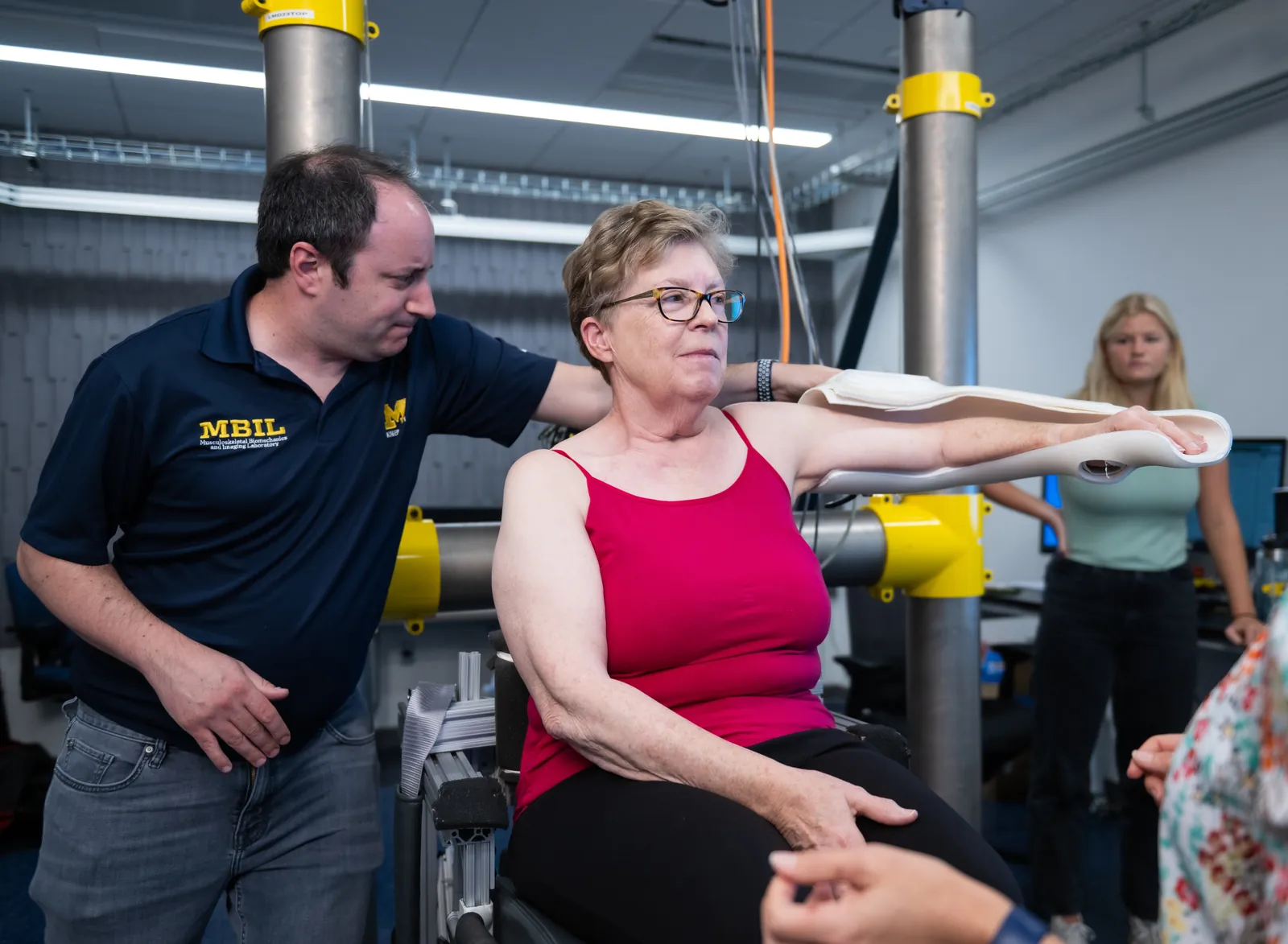
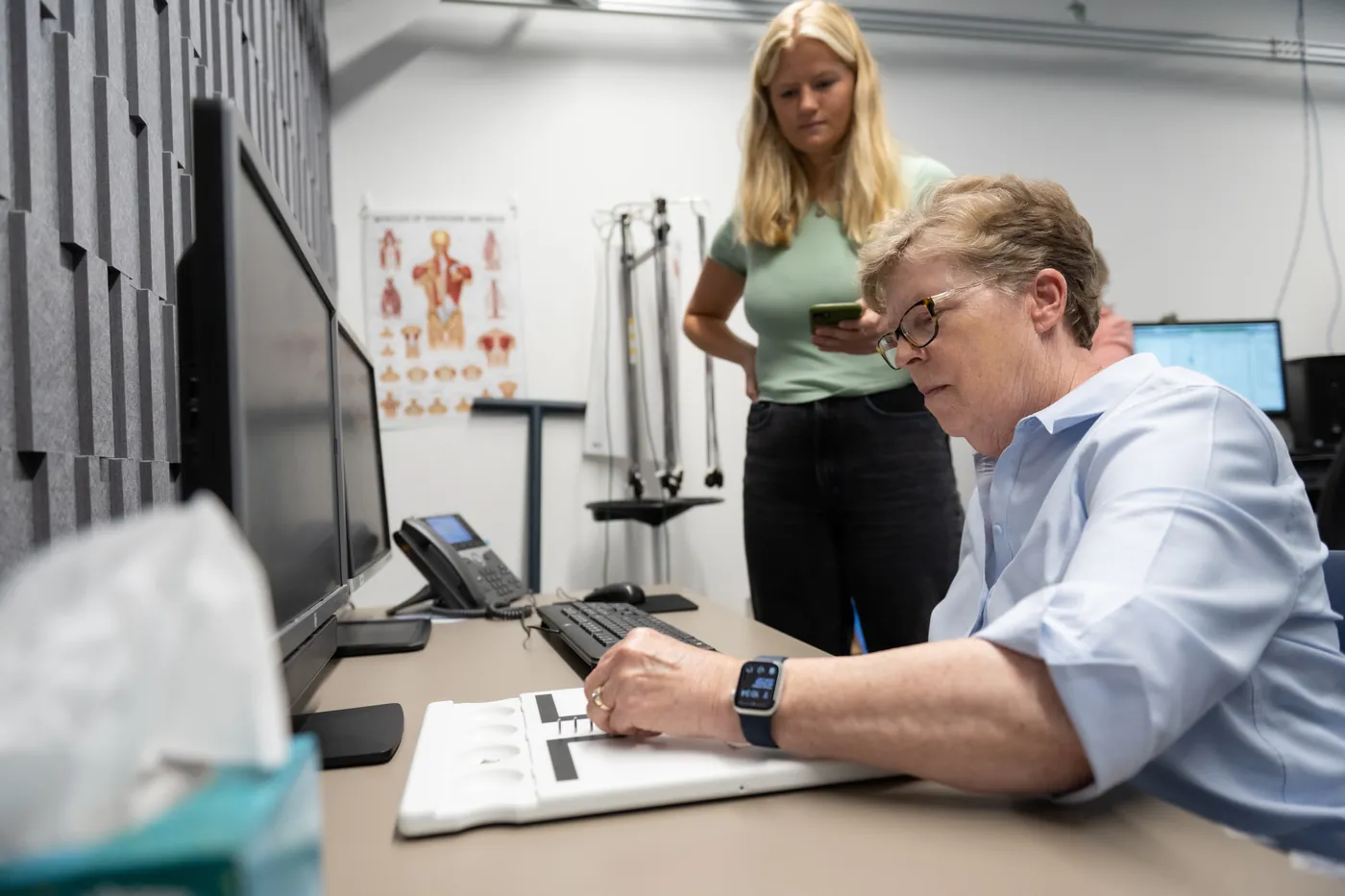
Lab members recording measurements during a shoulder assessment session in the MBIL laboratory.

Research Areas

Shoulder Health After Breast Cancer

Characterizing how mastectomy, breast reconstruction, and radiation therapy alter shoulder muscle mechanics, strength, and function in survivors.

Quantitative Muscle Imaging

Using ultrasound shear-wave elastography to measure the stiffness and material properties of the pectoralis major and other muscles in vivo.

Radiation Dosimetry & Function

Linking the radiation dose delivered to shoulder musculature with downstream pain, stiffness, and mobility outcomes after breast radiotherapy.

Wearable & Digital Health

Developing kirigami-inspired sensor patches and smartphone tools to track shoulder range of motion outside the laboratory.

From the Lab

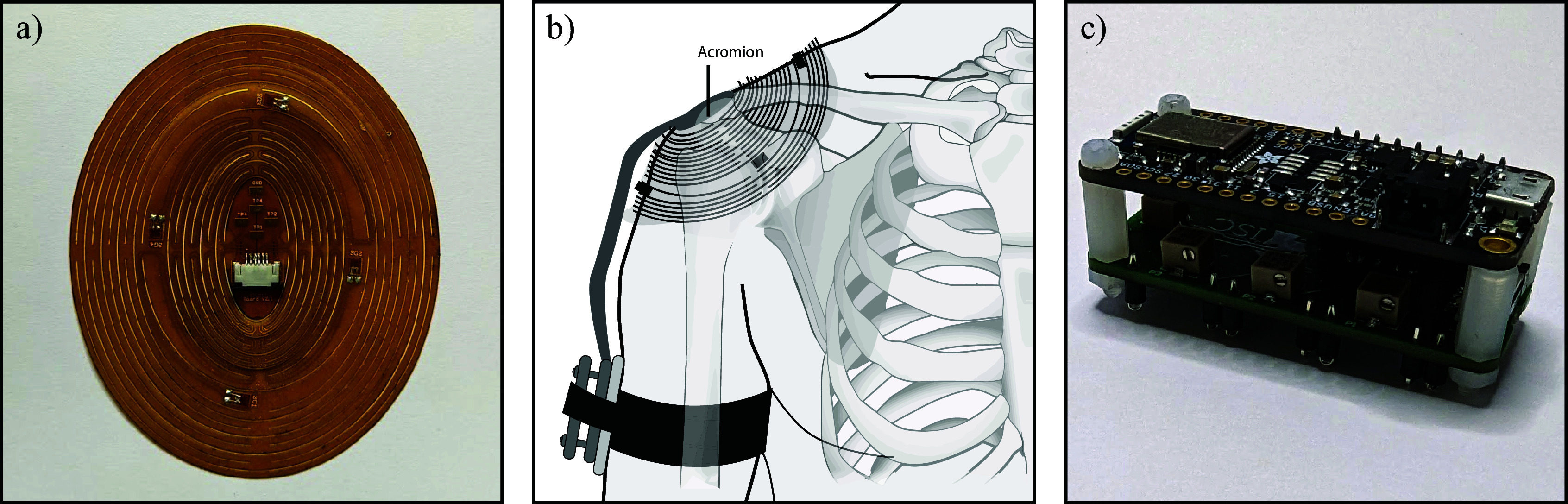
A kirigami-inspired wearable patch developed in the lab uses an array of strain gauges to identify shoulder rotation — bringing objective movement assessment out of the lab and onto the body.

A kirigami-based shoulder patch: the flexible strain-gauge patch, its placement over the shoulder near the acromion, and the companion armband electronics.
The kirigami shoulder patch, its placement over the shoulder, and the companion armband electronics. Alkayyali et al., Wearable Technologies (2024) , CC BY 4.0.

Interested in joining or collaborating?

We welcome prospective graduate students, undergraduate researchers, and clinical collaborators in oncology, surgery, and rehabilitation.

Get in touch